Santa Paula ConcreteSanta Paula Concrete(805) 873-8640

Concrete contractor in Santa Paula, CA - slabs built on a solid base

Santa Paula Concrete is a concrete contractor based in Santa Paula, CA. We pour driveways, patios, walks, steps, retaining walls and slabs for homes and small businesses here, starting with what the concrete sits on.

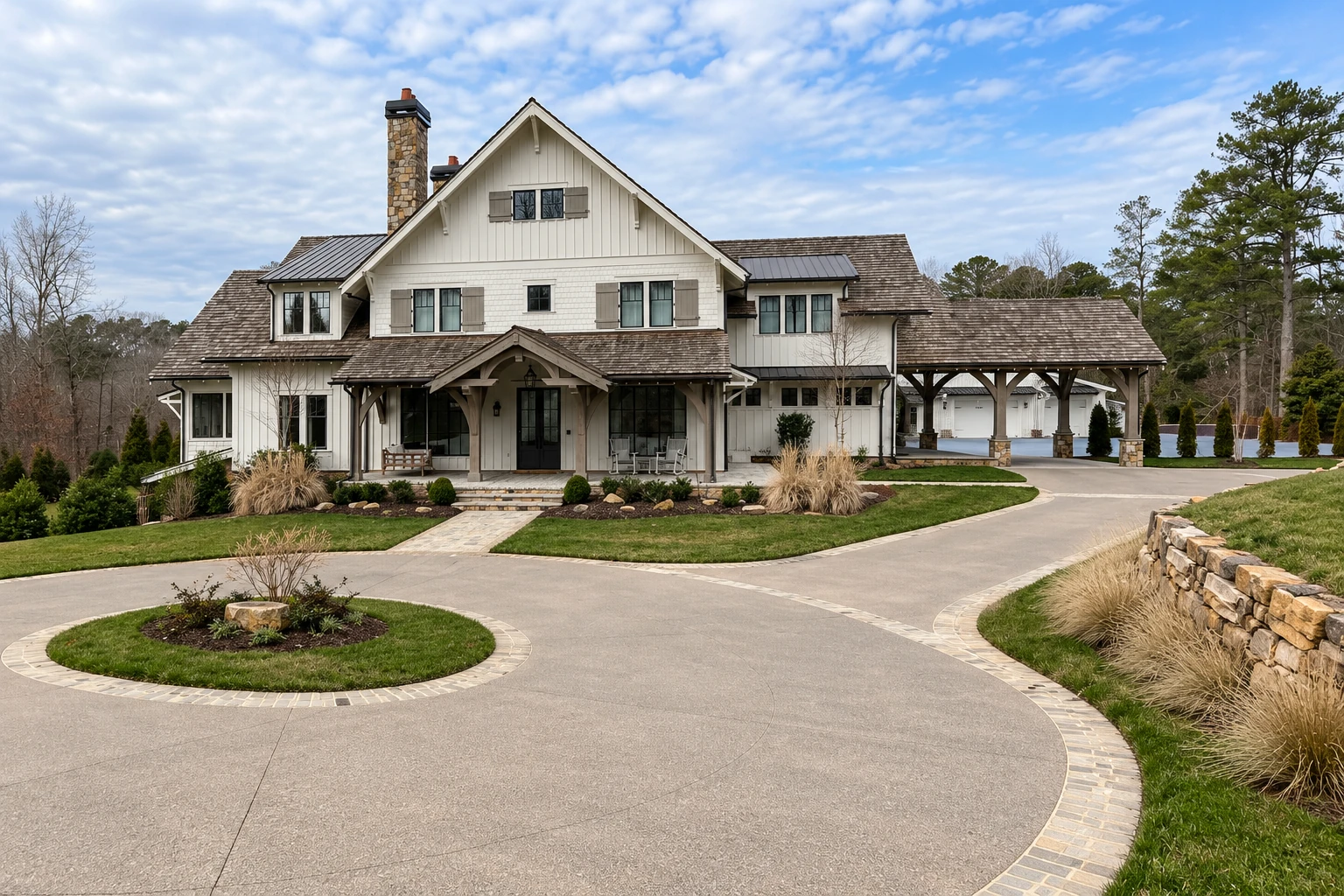
A curved concrete driveway leads to a large white house, edged with light brick pavers and landscaped grass.

Santa Paula as we see it from the driveway

I ran a landscaping business in Santa Paula for years before concrete became the whole business, so much of what I know about this city I learned in its yards. Near downtown we find older homes with narrow driveways and front walks that have cracked, lifted or sunk over the decades. Farther out there are ranch houses with wide two-car slabs, hillside lots, and small businesses with parking areas to pour or replace. We do the same work in Ventura, Fillmore and the other cities nearby.

That mix shapes the job. On an older lot we usually start by breaking out a tired slab and finding out what it was sitting on, and on a sloped lot the first question is where the water goes and whether the yard needs a wall before it needs a patio.

Concrete work we do for Santa Paula homes and businesses

Most of what we pour in Santa Paula is flatwork, the slabs that lie on the ground like driveways, patios and walks, and the rest is walls, steps, footings and foundations. Our calls come mostly from homeowners, with some from small businesses and builders. Every job starts the same way. We look at what the new concrete will sit on and where the water runs, and we plan the base, the forms and the finish from there.

  • Concrete driveway building

    Older Santa Paula driveways often crack and sink because the dirt under them was raked, not packed. We dig out, pack the subgrade, the ground the slab sits on, and pour a new driveway.

    Explore service
  • Concrete patio construction

    A backyard patio that tips toward the house sends rainwater to the foundation. We set the slope so water runs away from your walls, then finish it to suit your yard.

    Explore service
  • Stamped concrete services

    Owners of older homes often want a walk or patio that looks like stone or brick. We press a pattern and color into fresh concrete, over a base built like any other slab.

    Explore service
  • Concrete sidewalk building

    Front walks on older lots lift or settle panel by panel until someone trips. We break out the bad sections and pour new ones that meet the old evenly.

    Explore service
  • Garage floor concrete

    Garage floors in older homes are often thin, cracked and oil-stained. We remove the old slab, rebuild the base and pour a floor sized for the weight it'll carry.

    Explore service
  • Decorative concrete

    Some owners want color or exposed stone on an entry instead of plain gray. We'll talk through which finishes wear well and which get slick when wet.

    Explore service
  • Concrete retaining walls

    Sloped lots often need a wall before there's room for a flat patio or a wider driveway. We pour retaining walls with drainage behind them so water doesn't push them over.

    Explore service
  • Concrete floor installation

    Additions, workshops and converted outbuildings need an interior floor that's flat and dry. We prepare the base, lay a moisture barrier and pour a floor smooth enough for what goes on top.

    Explore service
  • Concrete pool decks

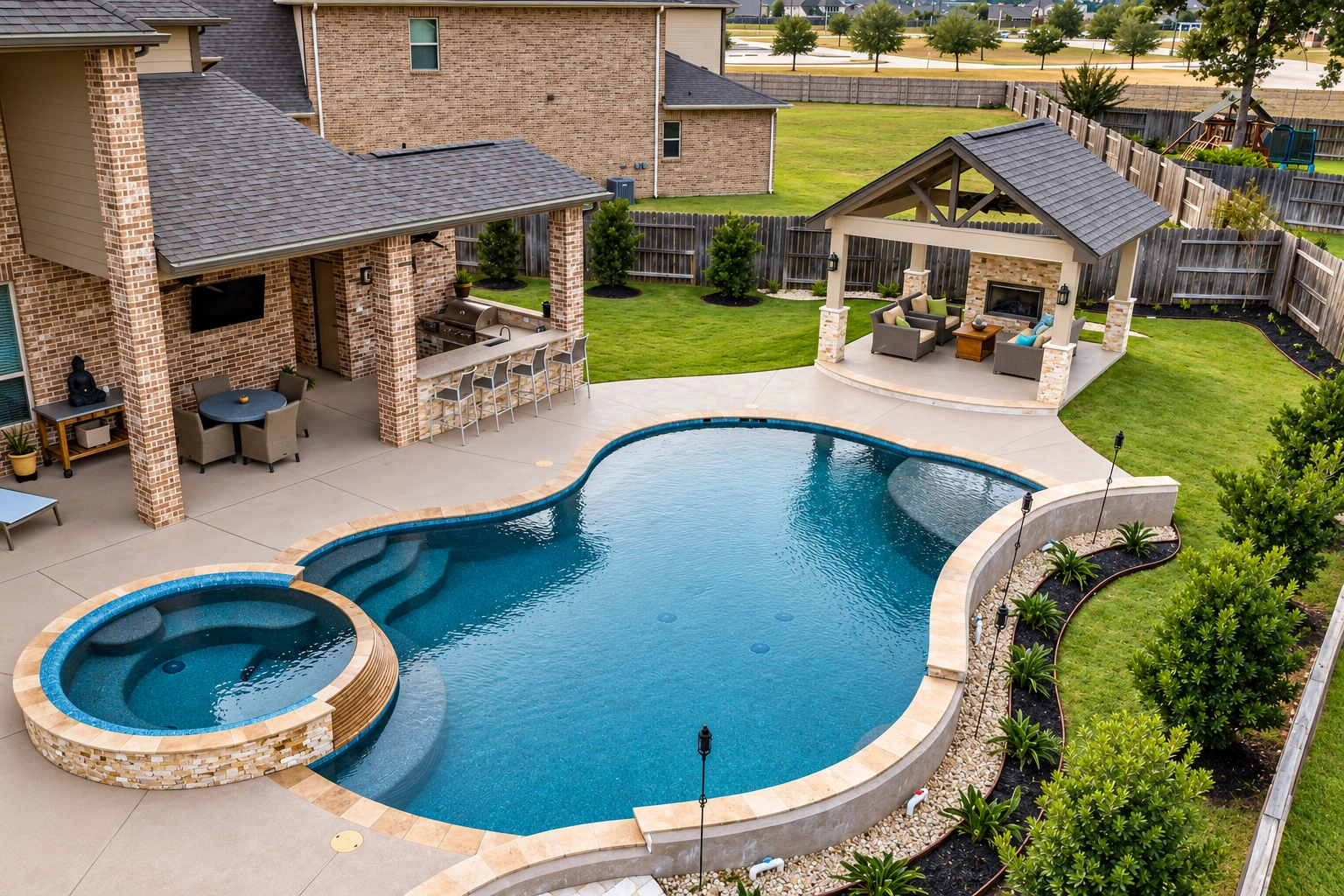
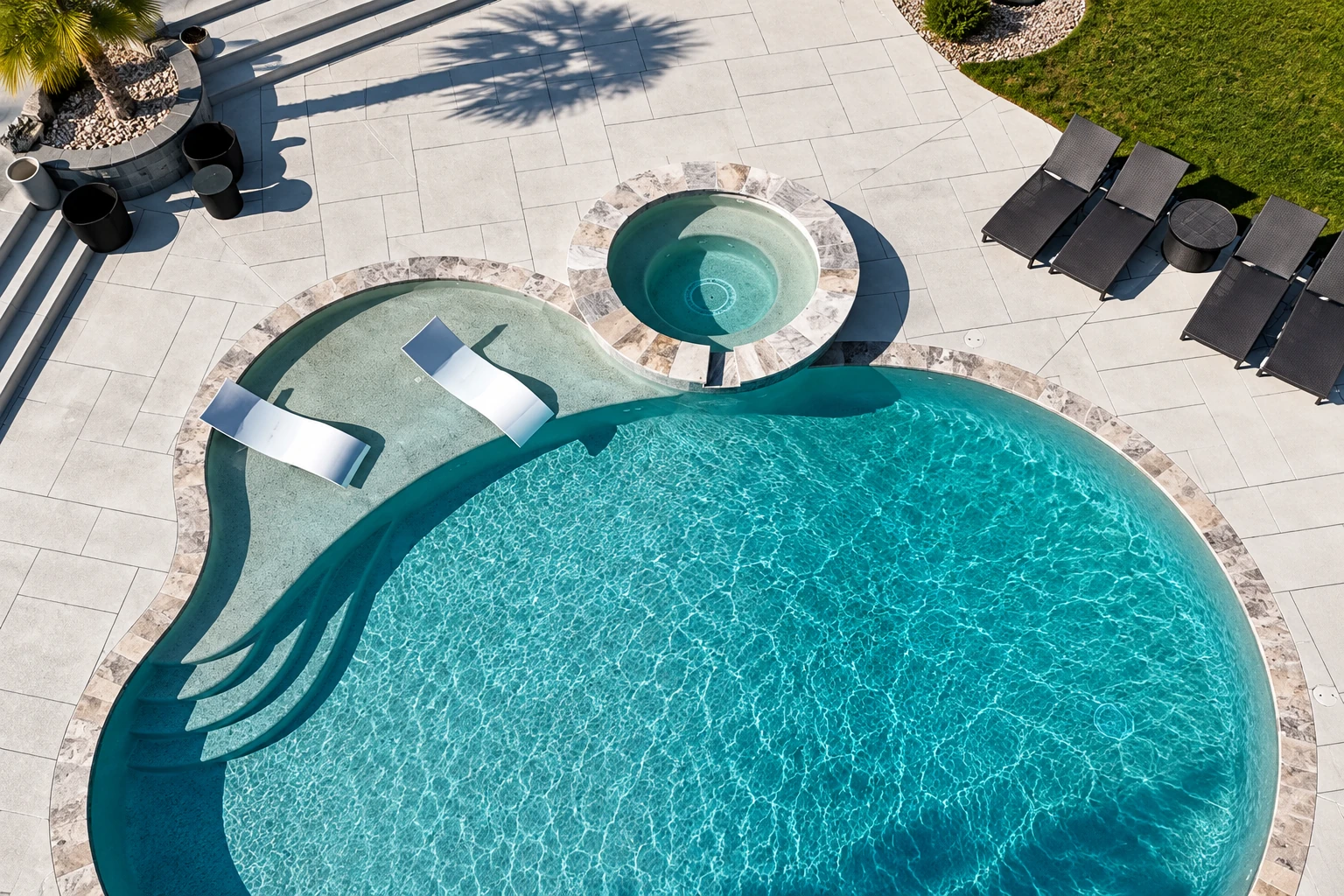
    A pool deck takes splash water and bare feet, so slick or cracked concrete is a real problem. We slope it away from the pool and finish it to grip when wet.

    Explore service
  • Concrete steps construction

    Steps on older houses crumble at the edges and settle into uneven heights. We pour new ones with even risers and a broom finish, brushed lines that give shoes grip.

    Explore service
  • Slab foundation building

    New garages and additions need a level slab foundation. We pack the base, set rebar, the steel that holds the concrete together if it cracks, and pour to the plans.

    Explore service
  • Foundation installation

    A room addition or new building needs a foundation built to the drawings for the job. We dig, form and pour it and line our work up with any inspections.

    Explore service
  • Concrete parking lot building

    Small businesses in the city often have lots where cracked, sunken sections hold water and catch tires. We grade for drainage and pour a thicker slab built for steady car and truck traffic.

    Explore service
  • Concrete footings

    Patio covers, decks and block walls sit on footings, concrete pads that carry the weight into the ground. We dig them as deep as the job calls for and pour them solid.

    Explore service
  • Foundation raising

    Sticking doors and sloping floors often mean a slab or foundation has sunk. We find out why it moved before we raise it, so the same cause isn't left underneath.

    Explore service
  • Concrete cutting

    Older slabs get in the way of new plumbing, a wider driveway or a doorway. We saw clean cuts through the old concrete so we remove only what has to go.

    Explore service

Working in Santa Paula: permits, licenses and what moves the price

Before we pour in Santa Paula, there's a permit question to settle and a handful of choices that set the price. Here's what the city asks for, what you can check about any contractor, and how we plan around both.

Permits, inspections and licenses in Santa Paula

Building permits in Santa Paula come from the city's Building and Safety Department, and once a permit is open, the job moves at the pace of its inspections. We can't pour over work an inspector still has to see, so a missed inspection day can push the pour back. At the estimate I sort out with you whether your job needs a permit and who will file it.

You can check two things about any contractor. A license from the state's Contractors State License Board is needed in some cases, including when the job requires a building permit, uses employees, or adds up to $1,000 or more in labor and materials. The city also requires a business license before anyone works in the city, even a company based in another city, with a few exceptions, and it's renewed every year.

  • Inspection requests made by 4 p.m. can be seen the next business day.
  • City offices close every other Friday, so plan inspections around those days.
  • When we file the permit, we handle the paperwork with the city.

What moves the price and the schedule

The price mostly comes down to size, thickness and what's there now. Breaking out and hauling an old slab adds work, and so does a base that has to be dug out and packed, a tight side yard the truck can't reach, or a slope that needs a wall. Stamped or colored finishes cost more than plain concrete. You get your own figure at the estimate.

The schedule turns on the permit, if there is one, and on curing, the days fresh concrete needs to gain strength before it takes weight. You can usually walk on a new slab well before you can drive on it, and I'll tell you when for your pour. We pour early in the day when we can, because a top that dries too fast turns weak and dusty.

  • Removing an old slab adds digging, hauling and base work to the job.
  • Truck access matters, because pumping or wheelbarrowing concrete takes extra time.
  • Stamped, colored and exposed finishes take longer to place than a broom finish.

Get a free on-site concrete estimate in Santa Paula

Send the form or call (805) 873-8640 and we'll reply within one business day to set a time. I come out to your Santa Paula property myself, look at the ground, the drainage and what you want built, and talk through the job with you. The estimate is free and carries no obligation.

(805) 873-8640

What we run into on Santa Paula properties

Most concrete problems we're called about here started under the slab, not on top of it. These are the conditions we see most on Santa Paula houses, yards and lots, and what each one means for a new pour.

  • Driveways that sank with the dirt

    Many older driveways we break out here were poured on dirt that was raked level but never dug out and packed. As that loose dirt settled, the slab sank and cracked with it, which is why pouring fresh concrete over the same ground usually brings the same trouble back.

  • Patios that drain toward the house

    Water pooling on a patio or running back against the wall is one of the most common calls we get. Usually the slab was set flat or tipped the wrong way, so before we form a new one, I walk the yard to see where the water runs now and where it can go.

  • Cracks in places nobody chose

    Every slab shrinks a little and cracks somewhere, and the question is where. Control joints, grooves cut partway into the slab, give it a straight line to crack along. On old slabs here we often find joints cut too late or skipped, so the cracks wander across the middle.

  • Sloped yards that need a wall

    Lots on the hillier edges of the city often don't have a flat spot big enough for a patio or a turnaround. A retaining wall can make one, but it needs drainage behind it and a footing under it, or the slope slowly pushes it out of line.

  • Old slabs in the way

    Older houses often have a slab right where the new plan needs a pipe, a wider driveway or a doorway. Instead of tearing out the whole thing, we can saw a clean line through the concrete and remove just that section, which keeps the rest of the slab in place.

What you get when we take on your concrete job

Concrete has been the whole business since 2013. Here's how we run a job, from the first look at your yard to the day the forms come off.

We spend the budget on the base first

On day one, nobody sees the base. It's the dug-out, packed layer the slab sits on, and once the concrete is down it's buried for good. That's why it's the first thing people want to cut when a budget gets tight, and the first thing I won't cut, because a soft base is where most cracks and sunken corners start.

A fancier finish can wait or come out of the plan. If the money only stretches so far, I'd rather pour a plain broom-finished driveway on a solid, well-drained base than a stamped one on dirt that'll settle. You can add color to sound concrete later. You can't fix what's under a slab without tearing it out.

  • I come to every estimate

    I come out for every estimate myself, so the person pricing your job knows what it takes to build it. I'll ask a lot of questions about how you use the space, where the water goes now, and what's bothered you about the old concrete.

  • Our crew pours, I check in

    Our crew does the prep, forming and pour, and I check in on the work as it goes. If we break out an old slab and find something nobody expected underneath, you hear about it from me while the crew is still on site.

  • Licensed and insured, ask to see it

    We're fully licensed and insured. The state license and city business license covered above are worth checking for any contractor you're considering, us included, so ask about them at the estimate and look them up with the board and the city yourself.

  • Satisfaction guaranteed on every job

    That's our promise, and it starts with telling you plainly at the estimate what concrete can and can't do on your lot. When you're ready, call (805) 873-8640 or send the form above, and we'll set a time for me to come out.

Santa Paula concrete questions we hear most

These are the questions Santa Paula homeowners ask before they hire anyone to pour concrete. If yours isn't here, call and ask, because a lot of answers depend on what's under the old slab.

How much does a new concrete driveway cost in Santa Paula?

A driveway's price comes mostly from its size and thickness, so I measure on site and price your driveway rather than quoting a number over the phone. A driveway that carries a truck or an RV gets poured thicker and usually gets rebar, and that adds cost. How far the concrete truck has to reach and how much old driveway comes out also move the number.

Do I need a permit for a concrete driveway, patio or retaining wall in Santa Paula?

Some of this work does, and the city's Building and Safety Department lists retaining walls over 3 feet tall, measured from the top of the footing to the top of the wall, and block or masonry walls over 42 inches in its permit guidance. Its list also names stairways, handrails and guardrails, which can come into a set of concrete steps. Driveways and patios aren't named on that list, which doesn't settle them either way, so we sort it out at the estimate or you can ask the department.

How do I pull my own permit for concrete work in Santa Paula?

You apply with the city's Building and Safety Department, which lets either the property owner or a licensed contractor take out a permit for work on a residence. The department says some minor residential projects can get a permit over the counter, usually without plans. If you pull it yourself, you'll be the one scheduling inspections, so tell me at the estimate and we'll plan the pour around them.

What causes a new concrete driveway in Santa Paula to crack?

New driveways usually crack for the same reasons old ones did, because the base settles, water runs underneath, or the joints were cut late or skipped. Every slab also shrinks a little as it cures, and nobody can stop that entirely, so we steer those cracks into the joints and spend our time on the packed base and drainage that keep the slab from sinking.

Service areas

Santa Paula is home base, and we also pour concrete in Ventura, Oxnard, Camarillo, Fillmore and the other cities around it and up the coast. If you're a bit farther out, call (805) 873-8640 and ask.

Ask about your location
(805) 873-8640Get an estimate