Santa Paula ConcreteSanta Paula Concrete(805) 873-8640

Concrete contractor in Fillmore, CA - driveways and patios built on a solid base

Santa Paula Concrete is a concrete contractor working in Fillmore, CA. We pour driveways, patios, walks, steps and retaining walls, and we replace the slabs that have cracked, sunk or started holding water.

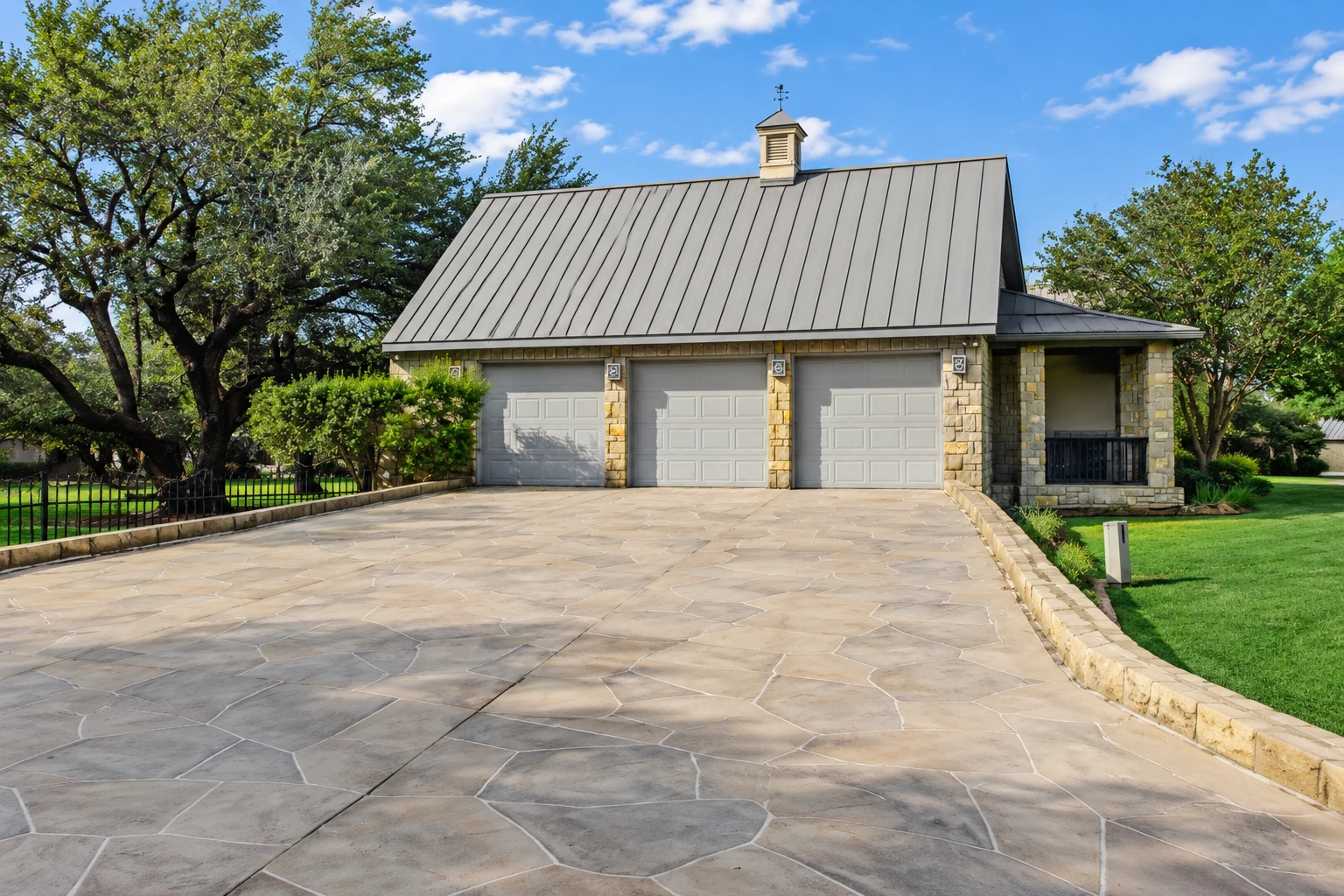
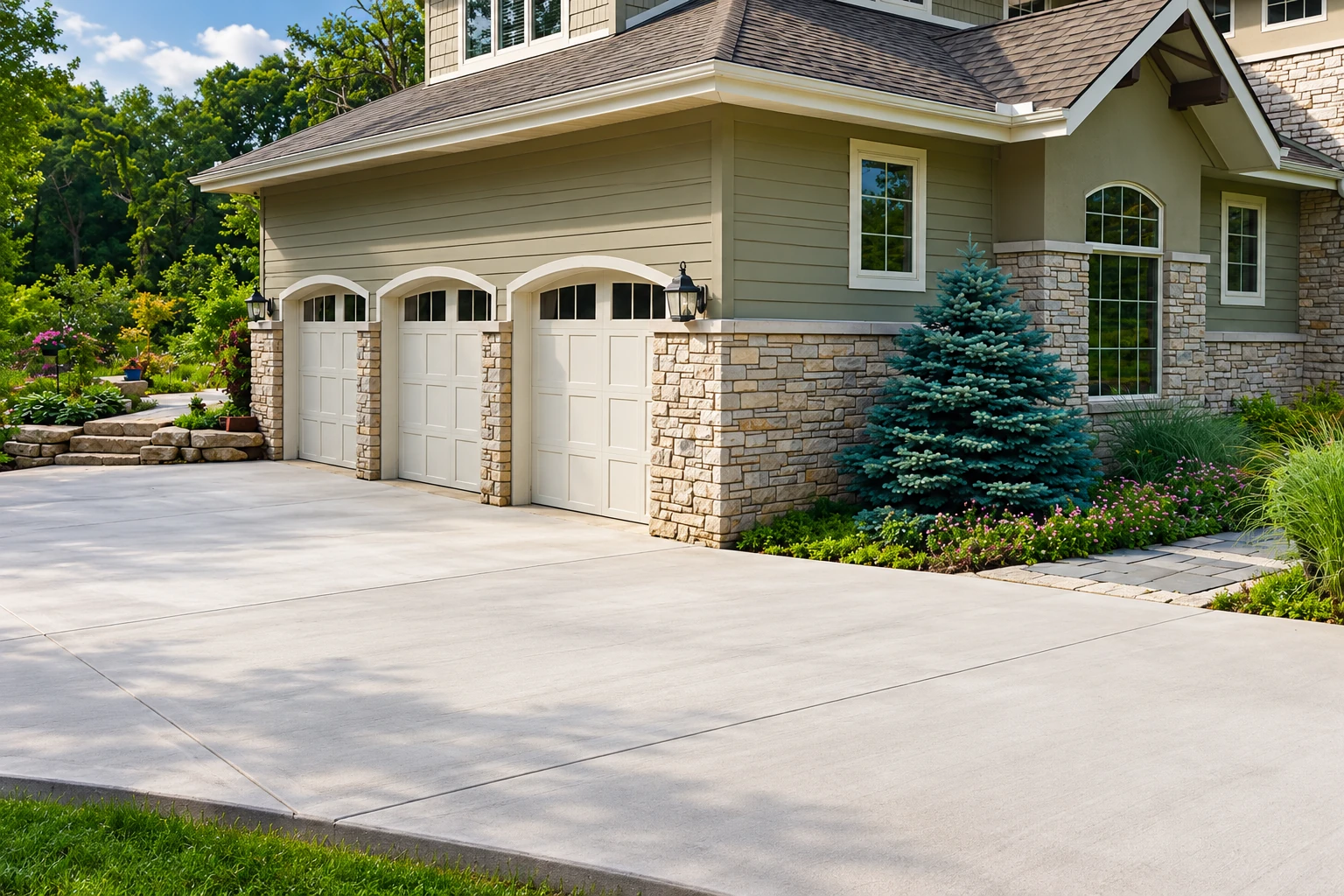
Decorative stamped concrete driveway with irregular stone patterns in front of a three-car garage.

Fillmore homes and the concrete work they call for

Fillmore is a short drive up the valley from Santa Paula, where we're based, and the calls we get from here sound a lot like the ones at home: a driveway that has settled and cracked, a back yard that needs a patio, a walk that trips people, a slope that wants a wall. It's a small city with plenty of houses that have stood a long time next to newer ones, so some jobs start with old concrete coming out and others start with bare ground. We bring the same crew and the same approach we use in El Rio and the other cities around us.

On an older property, the first question is what the old slab was sitting on and why it moved, because a new pour on the same weak base cracks the same way. On a lot that slopes, it's where the water runs, and that decides how we build up the base and which way the new concrete falls.

Concrete services we offer in Fillmore

We offer every service on this site in Fillmore, from flatwork, the flat pours like driveways, patios, walks and garage floors, to retaining walls, footings and foundations. Each job is planned around the same few questions: what the new concrete will sit on, where the water will go, how the yard slopes and what has to come out first. The answers shape the base, the forms and the finish, so two jobs that look alike on paper can be planned very differently.

  • Concrete driveway building

    Older driveways often settle and crack because the base under them was never packed. We tear out the broken slab, pack a firm new base and pour a driveway built for your cars.

    Explore service
  • Concrete patio construction

    A bare back yard or a patio that pools water by the back door is a common call. We slope it so rain runs away from the house, then pour and finish it.

    Explore service
  • Stamped concrete services

    Some homeowners want a patio or walk that looks like stone or brick without the loose pieces. We press the pattern into fresh concrete and color it, on a packed base.

    Explore service
  • Concrete sidewalk building

    Walks lifted by tree roots turn into trip hazards in older front yards. We remove the bad sections, fix what's under them and pour new panels that line up with what stays.

    Explore service
  • Garage floor concrete

    Garage floors in older houses are often cracked, stained or sloped the wrong way. We replace the slab with one that drains toward the door and holds up to daily parking.

    Explore service
  • Decorative concrete

    When a plain gray slab doesn't suit the house, color, exposed stone and patterned borders can tie it in. We talk through the options at the estimate and build it on a sound base.

    Explore service
  • Concrete retaining walls

    Sloped yards need a wall to hold the soil when you want flat ground for a patio or parking. We build on footings with drainage behind the wall so water doesn't push it over.

    Explore service
  • Concrete floor installation

    Workshops, barns, sheds and room additions need a flat, solid floor that stays dry. We prepare the ground, set a moisture barrier where it's called for and pour a level floor ready for use.

    Explore service
  • Concrete pool decks

    Pool decks take bare feet, splashing water and pool chemicals every summer. We slope them away from the pool and the house and give them a texture that isn't slick when wet.

    Explore service
  • Concrete steps construction

    Front and back steps on older houses crack, settle and pull away from the porch over time. We form new steps with even risers and rebar, the steel that holds them together.

    Explore service
  • Slab foundation building

    New homes, additions and accessory buildings often sit on a slab foundation poured on the ground. We dig, pack and level the subgrade, the soil the slab sits on, before any concrete goes in.

    Explore service
  • Foundation installation

    Additions and new buildings on sloped or uneven lots often need a raised foundation rather than a slab. We lay out, form and pour the foundation to the plans for your project.

    Explore service
  • Concrete parking lot building

    Small businesses need a lot that drains and holds up to daily traffic. We grade the base, plan the drainage and cut control joints, grooves that decide where cracks form.

    Explore service
  • Concrete footings

    Decks, patio covers, block walls and posts all need a footing, the buried pad that carries the weight down to firm soil. We dig to the depth the job calls for, then pour.

    Explore service
  • Foundation raising

    When part of an older house or slab has sunk, doors stick and cracks open up across floors and walls. We find out why it moved, then raise and support the low section.

    Explore service
  • Concrete cutting

    Adding a plumbing line, a wider driveway or a new doorway often means cutting through an old slab or wall. We saw straight lines so the new work meets the old without ragged edges.

    Explore service

What to know before concrete work starts in Fillmore

The city of Fillmore issues its own building permits and requires its own business license, and both can affect when a concrete job starts. Here's what that means for you, and what moves the price and the schedule.

Permits and licenses for Fillmore jobs

City staff issue building permits in Fillmore, and the city's Building & Safety staff are the first people to talk to before any work starts. If your job needs a permit, the pour waits until it's issued, so that wait is part of your schedule. At the estimate I sort out whether a permit applies and who will file it, and when we file, we handle the paperwork with the city.

Two things are worth checking on any contractor you hire here. California's Contractors State License Board licenses anyone who builds or alters a structure in the state, and the questions below cover when that license applies. The city also requires a City Business License from anyone doing business in Fillmore, including contractors based outside city limits like us, so ask for both.

  • Ask the city whether your job needs a permit before work starts.
  • Check that your contractor holds a current California contractor's license.
  • Ask whether your contractor holds a Fillmore City Business License.

What moves the price and the schedule

The price turns on the job's size and thickness, how much old concrete has to come out and how much digging and packing the base needs. A slope that calls for steps or a wall adds forming, and a stamped or colored surface costs more than a plain broom finish, the light texture that keeps a slab from getting slick. The estimate is where you get the figure for your job.

The schedule turns on the permit, if you need one, the tear-out and the cure, the wait while new concrete hardens before you use it. You can usually walk on a slab well before you can park on it, so plan for a stretch without the driveway. Walls, steps and slopes take more forming, so they usually run longer than a flat patio.

  • Size, thickness and tear-out set most of the price.
  • Base work and drainage are hidden but decide how the slab holds up.
  • A permit and the cure both add time before you use it.

Book a free on-site concrete estimate in Fillmore

Call (805) 873-8640 or send the form, and we'll reply within one business day to set a time for me to come out to Fillmore and look at the job myself. The estimate is free, it's done on site, and there's no obligation to go ahead.

(805) 873-8640

What we look for on Fillmore properties before we pour

Every lot tells you something before the forms go in. These are the things we check on houses and yards here, because each one changes how the base, the drainage and the pour are planned.

  • Where the rain runs off

    Before we set a form, we look at where water runs now and where it'll go once the new slab is in. A patio or driveway that falls toward the house sends rain at the foundation and the garage door, so we slope it away and plan where the water leaves.

  • Yards that aren't flat

    Plenty of yards aren't flat, and a slope changes the whole job. A patio on a grade may need a retaining wall, steps or a thicker edge, and the forms take longer to set, so we work that out on site rather than guess from a photo.

  • Trees close to the slab

    Roots from a big tree can lift a walk or driveway over the years, and cutting them carelessly can hurt the tree. We look at what's growing near the pour and talk with you about the layout, the base and where the joints should go.

  • Getting concrete to the pour

    A back patio behind a narrow side yard is a different job from a driveway at the curb. How far the concrete has to travel, and over what, decides how we bring it in and how we protect the lawn, the fence and the plants on the way.

  • Old concrete that comes out first

    Many jobs start with tearing out what's there. When only part of a driveway or walk has failed, we can saw a straight line and replace that section, but if most of it has cracked and sunk, replacing the whole slab is usually the better use of your money.

How we run a concrete job from estimate to pour

These are the practices behind every job we take on, in Fillmore and the cities around it. Each one comes back to the parts of the job you can't see once the concrete is down.

The base comes before the finish

A slab is only as good as what it sits on. When the base is raked level instead of dug out and packed, it settles with the dirt, and the concrete cracks and sinks along with it. Nobody sees the base on day one, which is exactly why it's the first thing to get cut when a budget gets tight.

If something has to give, I'd rather you go plainer on top than thinner underneath. A plain broom finish on a well-built base will usually outlast a fancy surface poured over dirt that was never packed. We'll talk through both at the estimate, so you know where your money goes and what each choice buys you.

  • I come to every estimate

    I come out for every estimate myself, walk the job with you and ask a lot of questions about what's moved, where water sits and how you use the space. Our crew does the prep, forming and pour, and I check in on the work as it goes.

  • A license you can check

    We're fully licensed and insured. Concrete work means heavy equipment, a crew and a lot of weight moving around your property, and insurance is there for the things nobody plans on. Ask to see our license before you sign, the same as you would with anyone.

  • Concrete only since 2013

    Concrete has been the whole business since 2013. Before that I ran a landscaping business in Santa Paula, learned the trade next to an experienced finisher and poured walks and pads on our own jobs. We still like the puzzle jobs best, such as a wall on a slope or a cut through an old slab.

  • Straight talk about what concrete can do

    Concrete is strong, but it isn't magic, and I'd rather tell you that at the estimate than after the pour. You'll hear what we'd do, what we'd skip and why. Satisfaction guaranteed on every job. Call (805) 873-8640 or use the form above to set up a visit.

Questions Fillmore homeowners ask about concrete work

These are questions that tend to come up when someone in Fillmore is planning a driveway, patio or wall. The answers cover the city's permits, the state license, cost and cracking.

Do I need a permit for a concrete driveway or patio in Fillmore, CA?

The exemptions we've seen in the city's code cover fences and small sheds, not driveways or patios, so ask the city whether your job needs a permit before any work starts. Fences not over 6 feet high are exempt, and so is a one-story detached shed, playhouse or gazebo up to 12 feet high and 120 square feet with no plumbing, electrical or mechanical work. Even exempt work still has to meet the code, and the permit question is one of the first things we settle at the estimate.

How do I get my own building permit in Fillmore?

Fillmore issues building permits only to owner/builders and licensed contractors, so as the owner you can apply yourself. If you're buying the house and the sale hasn't closed, you need the current owner's written consent first. The city's online permit portal lets you get guidance, submit the application, upload documents and track its status.

When does a concrete contractor need a license in California?

Under the state licensing board's rules, a license applies when the job needs a building permit, when employees do the work, or when labor and materials on the project total $1,000 or more. A job is exempt only if none of those apply, and a bigger project can't be split into smaller contracts to stay under $1,000. Ask any contractor for their license before you sign.

How much does a concrete driveway cost in Fillmore?

A Fillmore driveway's cost comes from its size and thickness, how much old concrete has to be broken up and hauled away, and how much base work the ground needs. Rebar, a stamped or colored surface, a sloped approach or a long reach from the truck all add to it. I'll give you the number for your own driveway at the estimate.

What causes a new concrete driveway to crack?

Most cracks in a new slab come from the base, the joints or the pour itself. A base that wasn't dug out and packed settles with the dirt, joints cut late or skipped let the slab crack wherever it likes, and a pour in midday heat can leave a weak, dusty top. Any concrete can crack, so we pack the base, cut the joints on time and use rebar to keep cracks tight.

Who does building inspections for concrete work in Fillmore?

The city contracts with Bureau Veritas for building inspections and plan checks, so the inspector on a permitted job may come from that firm, working for the city. When your job has a permit, its inspections are part of the schedule, and we plan the pour around them.

Service areas

Fillmore is one of the cities around Santa Paula with its own page here, and the others are listed below. If you're a bit farther out, call (805) 873-8640 or use the form and ask.

Ask about your location
(805) 873-8640Get an estimate